If you are thinking about selling in Eastside Costa Mesa, it is easy to assume the market will do all the work for you. After all, this is a premium pocket where the March 2026 median sale price reached $2.28 million, and many homes still draw strong buyer attention. But even in a competitive market, buyers notice condition, pricing, and presentation quickly, especially in a neighborhood with many older homes. A smart prep plan helps you protect value, reduce surprises, and make your first public debut count. Let’s dive in.
Why prep matters in Eastside
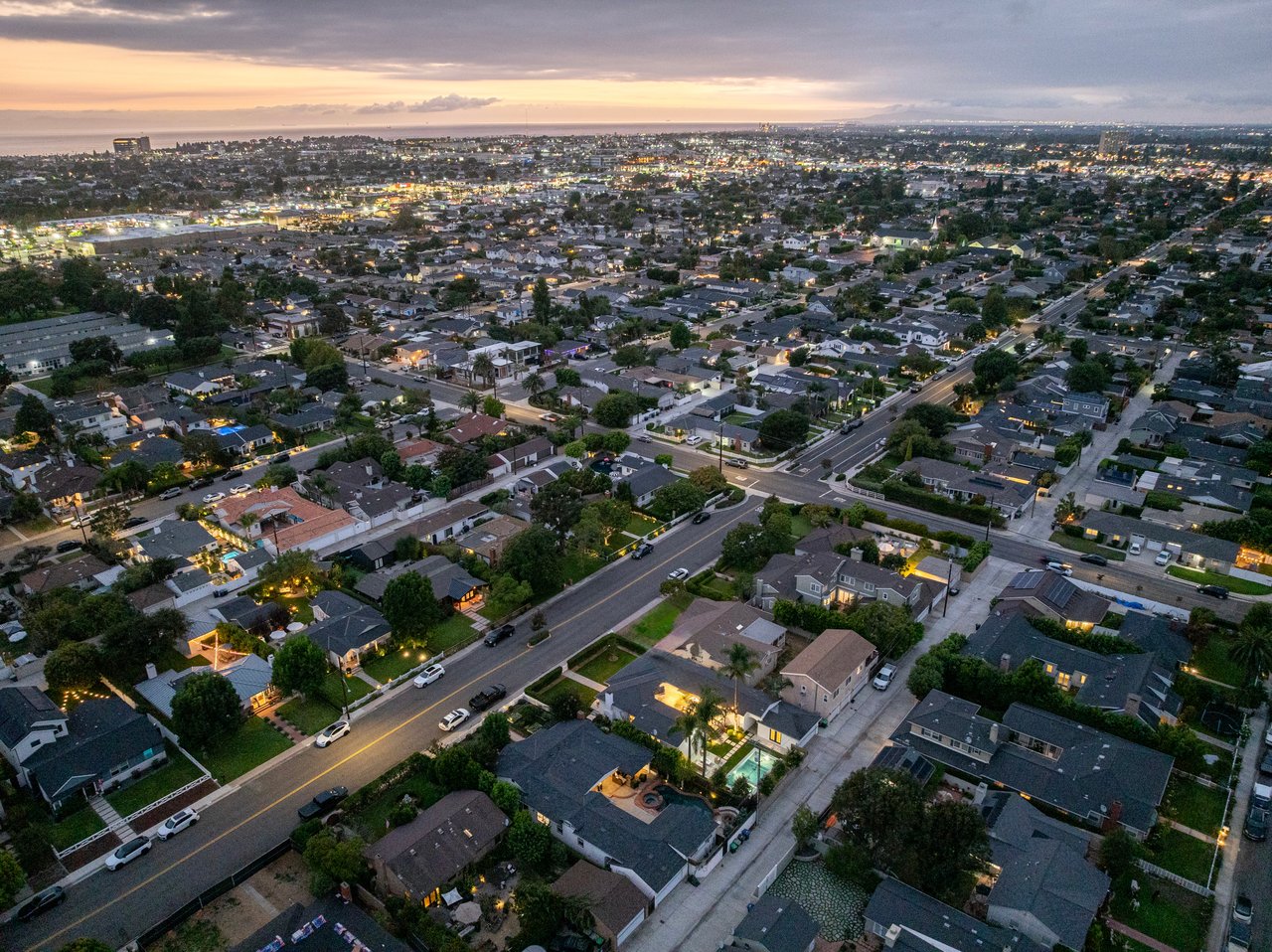
Eastside Costa Mesa operates differently than the broader market. In March 2026, Redfin reported a median sale price of $2.28 million in Eastside, compared with $1.48 million for Costa Mesa’s 92627 zip code and $1.26 million across Orange County. That gap tells you Eastside is a premium micro-market, not just another citywide average.
At the same time, pricing strength does not mean buyers overlook flaws. Redfin reported homes selling in a median 42 days, with a 99.3% sale-to-list ratio, and noted that many homes receive multiple offers while especially strong listings can go pending in about 16 days. The takeaway is simple: demand is there, but presentation and strategy still shape the outcome.
Start with a condition audit
Before you pick paint colors or book a stager, walk the home with a clear plan. The first goal is to separate what affects condition and safety from what improves presentation and what falls into optional upgrades. That order matters because disclosures and buyer confidence start with the actual physical condition of the property.
California’s seller disclosure materials make this especially important. The Transfer Disclosure Statement is designed to describe the property’s physical condition, defects, hazards, and other material factors, so issues that belong in that conversation should be identified early. In practice, this means you should not spend weeks on cosmetic projects while ignoring roof concerns, plumbing leaks, worn systems, or visible deferred maintenance.
Use three prep buckets
A practical Eastside prep walkthrough usually works best when you sort items into these buckets:
- Condition and safety: active leaks, electrical concerns, roofing issues, HVAC problems, plumbing defects, broken windows, trip hazards, or anything that may affect disclosure
- Presentation: cleaning, decluttering, touch-up painting, flooring refresh, landscaping, lighting, and staging prep
- Optional value-add improvements: selective cosmetic upgrades that may improve appeal, but are not essential to market readiness
This framework keeps you from overspending in the wrong order. It also helps you decide what needs immediate attention versus what can wait.
Older homes need a sharper prep lens
Eastside Costa Mesa has a housing stock with many homes built between the 1940s and 1960s, and city housing materials also reflect a large share of older properties across the broader area. That does not mean every seller needs a full remodel. It does mean buyers are more likely to notice original finishes, aging systems, and maintenance that has been postponed.
In neighborhoods with older homes, buyers often respond well to signs of care and clarity. A house does not need to feel brand new, but it should feel well maintained, clean, and intentionally presented. Small fixes can carry more weight when they reduce uncertainty.
Be cautious with pre-1978 paint work
If your home was built before 1978, paint-related work deserves extra care. Federal lead-based paint rules require disclosure of known lead-based paint information before most pre-1978 housing sales are signed. The EPA also warns that renovation, repair, or painting work that disturbs painted surfaces can create dangerous lead dust.
That is why lead-safe planning matters before any scraping, sanding, or more invasive prep begins. If paid contractors will disturb painted surfaces in a pre-1978 home, they must be certified and use lead-safe practices. For Eastside sellers, this is an important step to address before the project list grows.
Check permits before work starts
Not every improvement needs a permit, but some common pre-sale projects can be permit-sensitive. Costa Mesa’s Building Division handles permits, inspections, plan checks, and code enforcement, and the city’s TESSA portal is the online system for permit and license activity. That makes it a practical first stop before you authorize larger work.
Costa Mesa also notes that several residential projects may be handled through Insta-Permits, including re-roofing, panel upgrades, EV chargers, solar, water heaters, re-pipes, HVAC work, and pool demolition. If your prep list includes anything in those categories, check first. The goal is not to slow the process down. The goal is to avoid creating a last-minute compliance problem while trying to get ready for market.
Build your disclosure file early
Selling prep is not only about making the home look better. It is also about organizing the information that will support a smoother transaction. California’s Real Estate Transfer Disclosure Statement must be delivered as soon as practicable and before transfer of title, so sellers benefit when they start gathering facts and paperwork early.
This is especially helpful if your home has had repairs, updates, or insurance claims, or if there are known conditions that buyers will likely ask about. When you build the disclosure file alongside the prep plan, you create a more consistent story from day one. That can reduce friction later when inspections and buyer questions begin.
Verify parcel-specific hazard disclosures
Some disclosures depend on the specific parcel, not just the neighborhood. Under California Civil Code 1103, sellers may need to disclose whether a property is located in certain hazard zones, including special flood hazard areas, earthquake fault zones, seismic hazard zones, or high fire hazard severity zones when the statutory conditions apply.
The key point is that not every Eastside property will trigger every disclosure. Sellers should verify parcel-specific facts rather than assume. This is another reason a prep timeline should include paperwork and due diligence, not just paint and staging.
Focus cosmetic work where buyers notice it most
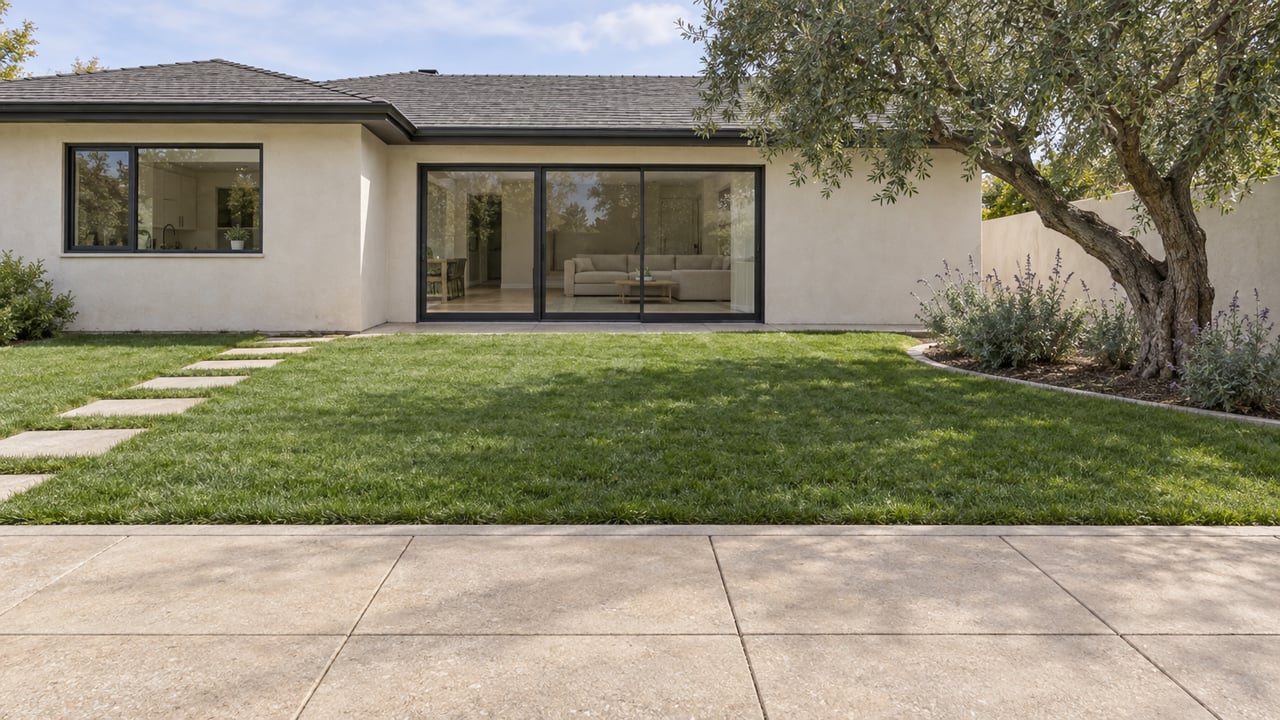
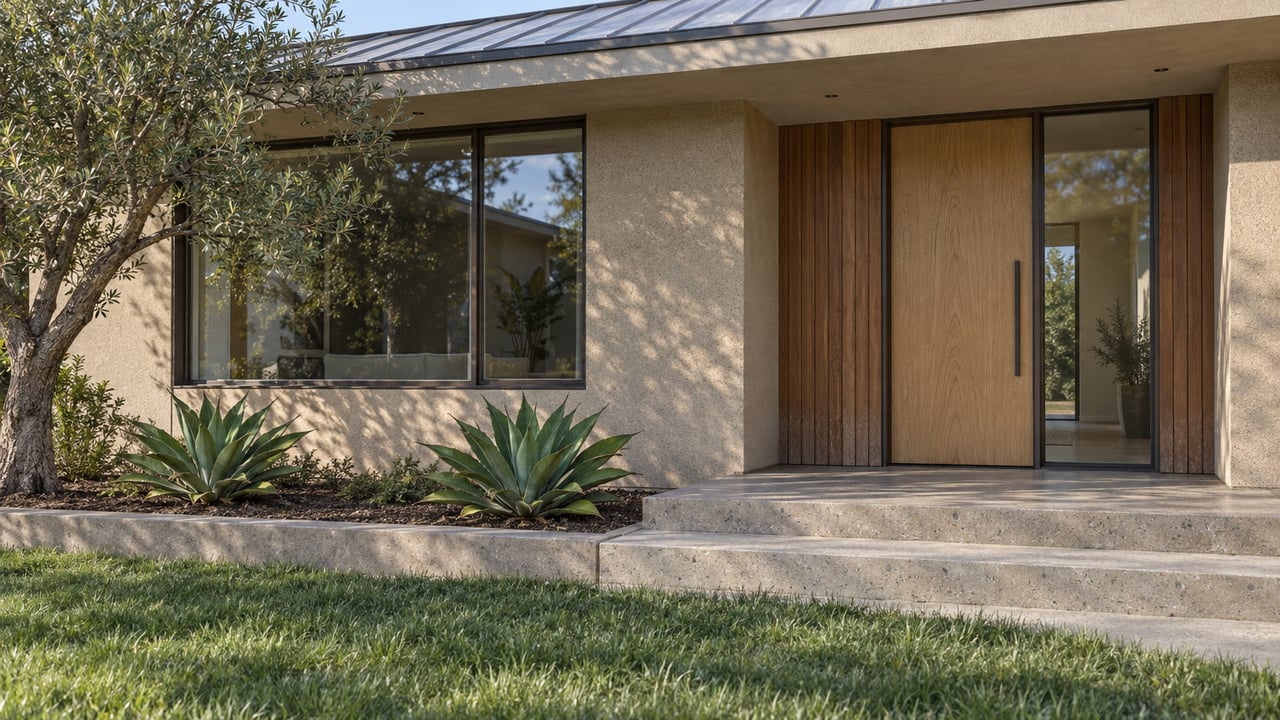
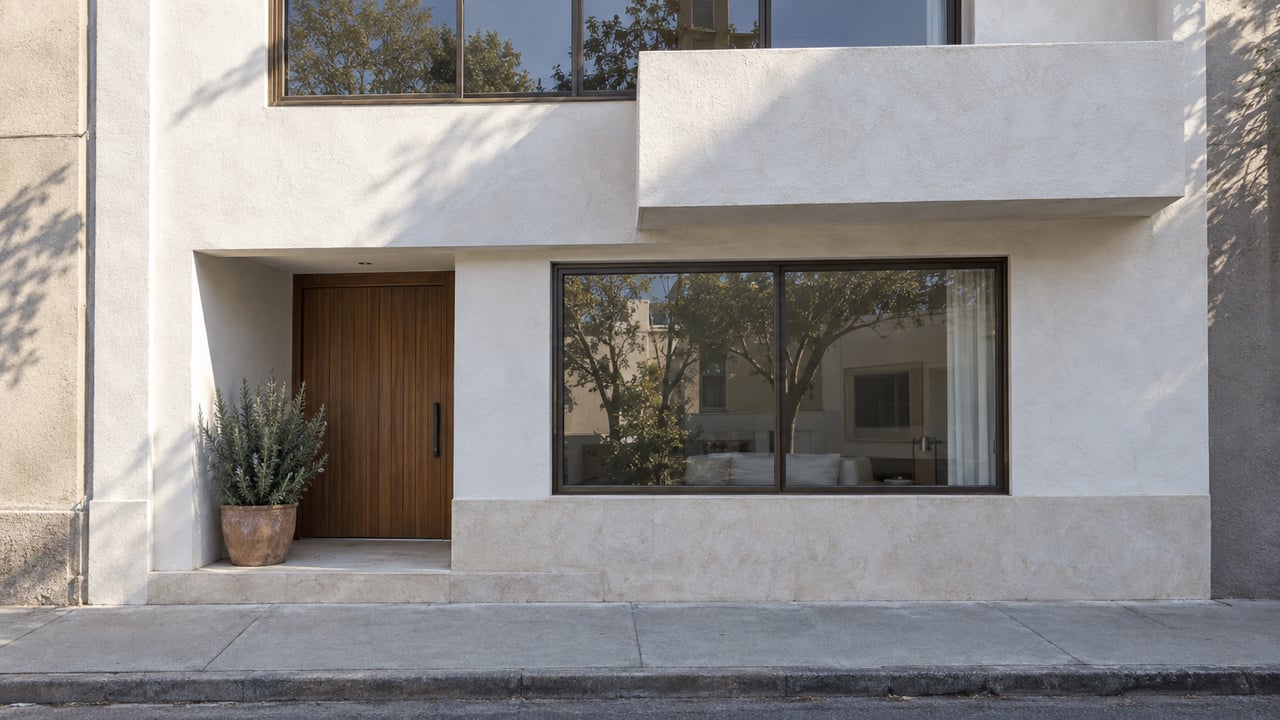
Once condition, safety, and permit questions are handled, cosmetic prep becomes much more effective. In Eastside, that usually means targeting the items buyers notice first during showings and online marketing. Cleanliness, clutter, flooring condition, fresh paint, lighting, and basic exterior care often matter more than expensive over-improvements.
The local market supports a disciplined approach. Eastside is competitive, but recent data also show a mix of homes selling under and over list. That means sellers should not assume scarcity alone will make up for weak presentation or an unfinished launch.
A practical cosmetic checklist
After the repair phase, many sellers benefit from working through a focused list like this:
- Deep clean the entire property
- Remove excess furniture and personal items
- Refresh interior paint where needed
- Address worn or dated flooring if it affects first impressions
- Improve landscaping and exterior tidiness
- Replace burned-out bulbs and improve lighting consistency
- Complete staging before photography
This kind of work is often enough to change how a home feels without committing to a full renovation. The right updates are the ones that make the property feel cared for, bright, and ready.
Consider Compass Concierge for prep costs
For some sellers, the biggest obstacle is not knowing what to do. It is paying for it all before closing. Compass Concierge is designed as a financing tool for pre-sale improvements, with costs advanced upfront and repayment due when the home sells, the listing agreement ends, or after 12 months, subject to market-specific terms.
According to Compass, covered services can include staging, flooring, painting, decluttering, landscaping, cosmetic renovations, moving and storage, HVAC work, roofing repair, plumbing, kitchen and bath improvements, and seller-side inspections or evaluations. For Eastside sellers, that can create flexibility when the home needs focused work to compete at its best without requiring immediate out-of-pocket payment.
Time your launch carefully
A strong prep plan does not end when the house is cleaned and staged. It also needs a smart launch sequence. Compass positions its pre-market path as Private Exclusive, then Coming Soon, then full MLS and public distribution.
That sequence can help generate early demand and real-world pricing feedback before the home accumulates public days on market. Compass also states that listings do not appear on MLS or public portals until the final phase, and sellers are not required to accept offers during the earlier stages. For Eastside homes, where first impressions can strongly shape momentum, this kind of timing can be useful when managed carefully.
Why the first public debut matters
In a neighborhood where many homes receive multiple offers, buyers still compare every listing to the alternatives. If your home debuts while repairs are incomplete, landscaping is unfinished, or photos were taken too early, that first impression can undercut the value of the entire launch. It is usually better to go live once the home feels finished and intentional.
That is where hands-on project management matters. A measured plan that aligns repairs, presentation, pricing, and launch timing often gives you a cleaner path to market than rushing just to list first.
Price from Eastside data, not broad averages
Pricing should reflect Eastside Costa Mesa first, with broader Costa Mesa and Orange County data used only as supporting context. The gap is too large to rely on citywide averages alone. A home in Eastside is competing inside a premium micro-market, and buyers in that range tend to be highly aware of nuance.
That is why pricing should be tied to current comparable sales, current competition, and the home’s actual condition after prep. The most effective pricing conversations are usually grounded in what the market is rewarding right now, not in what the seller hopes the market will ignore.
A simple Eastside selling timeline
If you want a practical sequence, this is the order that usually makes the most sense:
- Walk the property and identify condition, safety, and disclosure items
- Check permit sensitivity for planned work through Costa Mesa resources
- Address core repairs first before cosmetic improvements
- Use lead-safe planning for pre-1978 paint-disturbing work
- Complete cosmetic prep like paint, flooring, cleaning, decluttering, and landscaping
- Stage and photograph only after the home is truly ready
- Review pricing using Eastside-specific comps
- Choose the launch path such as Private Exclusive, Coming Soon, or public MLS rollout
This kind of structure helps you stay focused on what actually moves the sale forward. It also gives you a clearer way to manage timing, costs, and expectations.
Selling in Eastside Costa Mesa is not about doing everything. It is about doing the right things in the right order so buyers see the home at its best and feel confident in what they are buying. If you want a calm, hands-on plan for preparing, positioning, and launching your home, Mason | Taylor Associates can help you build a strategy around your timing, your property, and your goals.
FAQs
What should Eastside Costa Mesa sellers fix first before listing?
- Start with items that affect condition, safety, or disclosures, such as leaks, roofing issues, electrical concerns, plumbing problems, or visible deferred maintenance. Cosmetic work should come after those items are addressed.
Do Eastside Costa Mesa pre-sale improvements need permits?
- Not all improvements need permits, but sellers should check Costa Mesa’s Building Division and TESSA portal before starting projects that may involve roofing, electrical panels, plumbing, HVAC, water heaters, solar, or similar work.
When should staging and photography happen for an Eastside Costa Mesa home sale?
- Staging and photography should happen after repairs, deep cleaning, decluttering, and any key cosmetic work are complete so the home makes its strongest first impression.
Do older Eastside Costa Mesa homes need special paint precautions before sale?
- If the home was built before 1978, sellers should plan carefully around any work that disturbs painted surfaces because lead-based paint disclosure rules may apply and paid contractors must use lead-safe practices when required.
How should sellers price a home in Eastside Costa Mesa?
- Pricing should be based primarily on current Eastside Costa Mesa comparable sales and competition, with broader Costa Mesa and Orange County data used only as secondary context because Eastside performs as a distinct premium micro-market.
Can Compass programs help Eastside Costa Mesa sellers prepare for market?
- Compass Concierge may help cover approved pre-sale improvement costs with repayment later under applicable terms, and Compass pre-market options like Private Exclusive or Coming Soon can support launch timing and early buyer feedback.