Buying on Balboa Peninsula can feel simple at first glance: find a home near the sand, make an offer, and start enjoying the coast. In reality, this is one of those markets where the street, lot, access, and permit details can matter just as much as the house itself. If you are thinking about a primary home, second home, or long-term coastal hold here, it helps to know what makes the peninsula different before you commit. Let’s dive in.
Why Balboa Peninsula is different
Balboa Peninsula is Newport Beach’s three-mile peninsula, bordered by Newport Harbor on one side and the Pacific Ocean on the other. The city identifies landmarks and destinations across the area including the Wedge, Ocean Front Walk, Newport Pier, Balboa Pier, the Balboa Fun Zone, and the historic Balboa Pavilion.
That setting creates a true lifestyle market. You are not only buying square footage, finishes, or a view. You are also buying into beach activity, public access patterns, parking realities, guest logistics, and the day-to-day rhythm of a highly visited coastal area.
The city’s coastal planning documents also explain that the peninsula’s early subdivision pattern created a grid of small lots, narrow streets, and alleys that still shape the market today. That older layout is part of the charm, but it can also affect privacy, parking, storage, access, and future improvement plans.
Property types vary more than many buyers expect
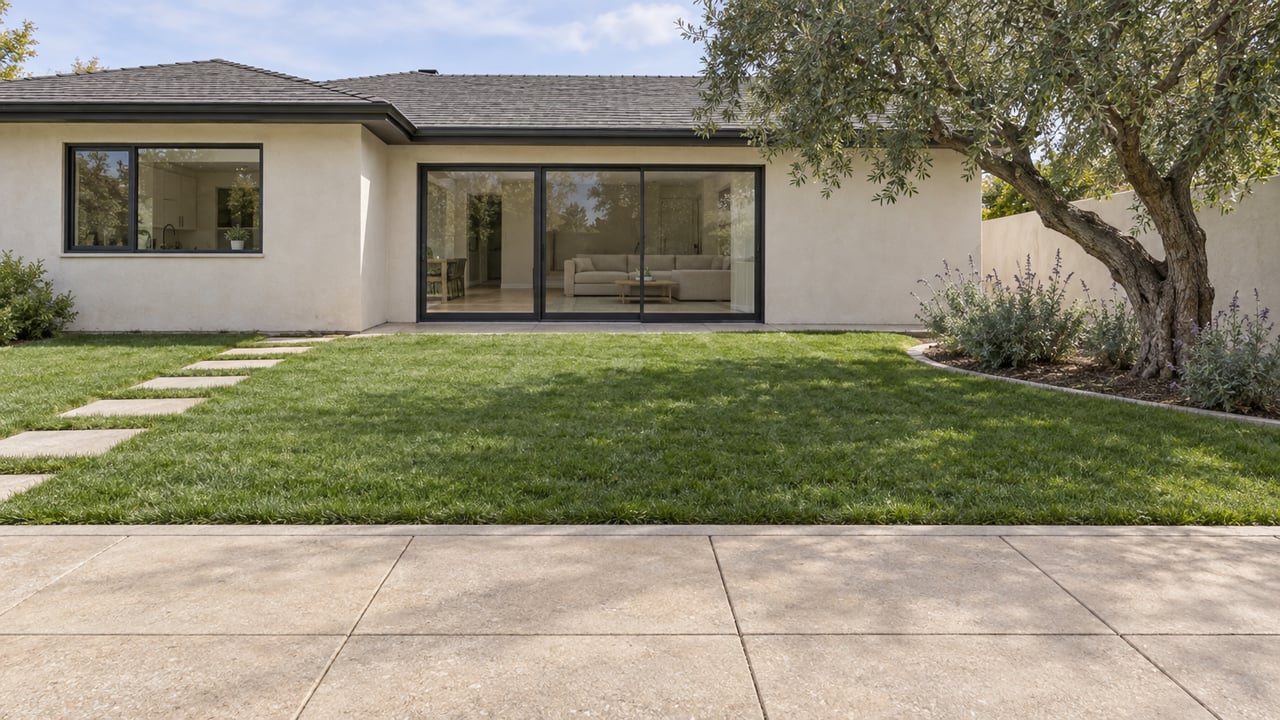
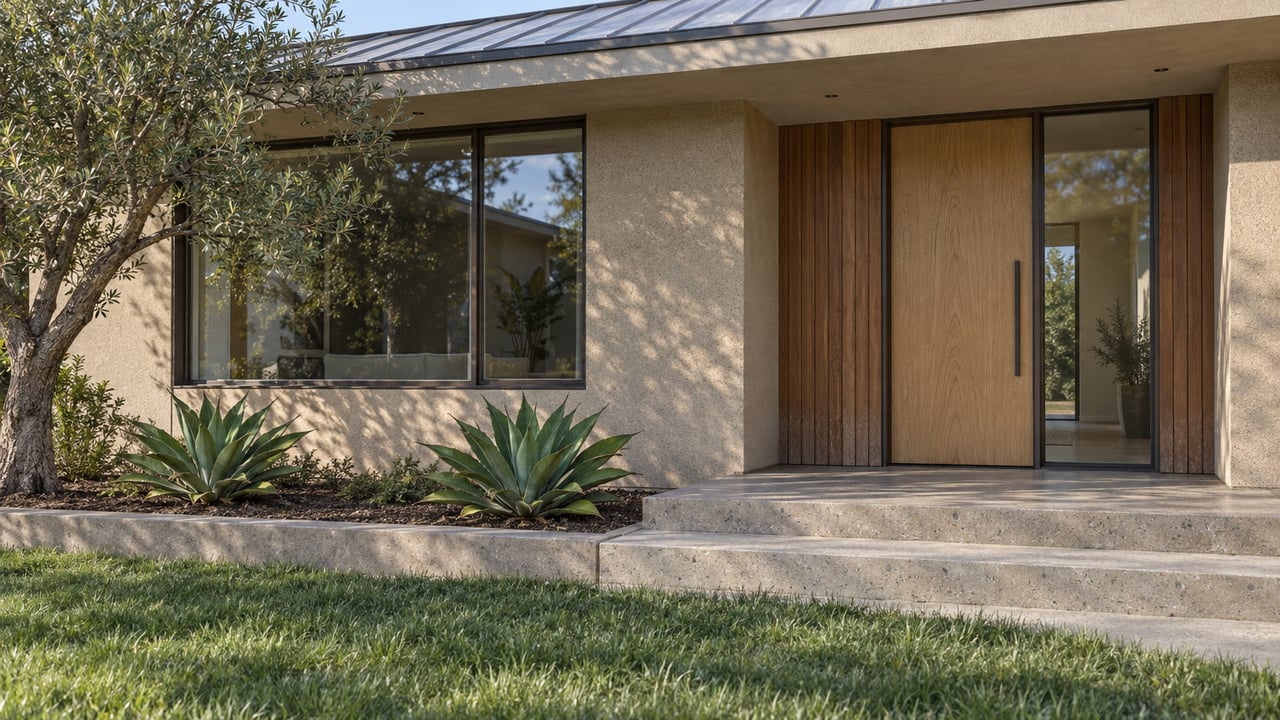
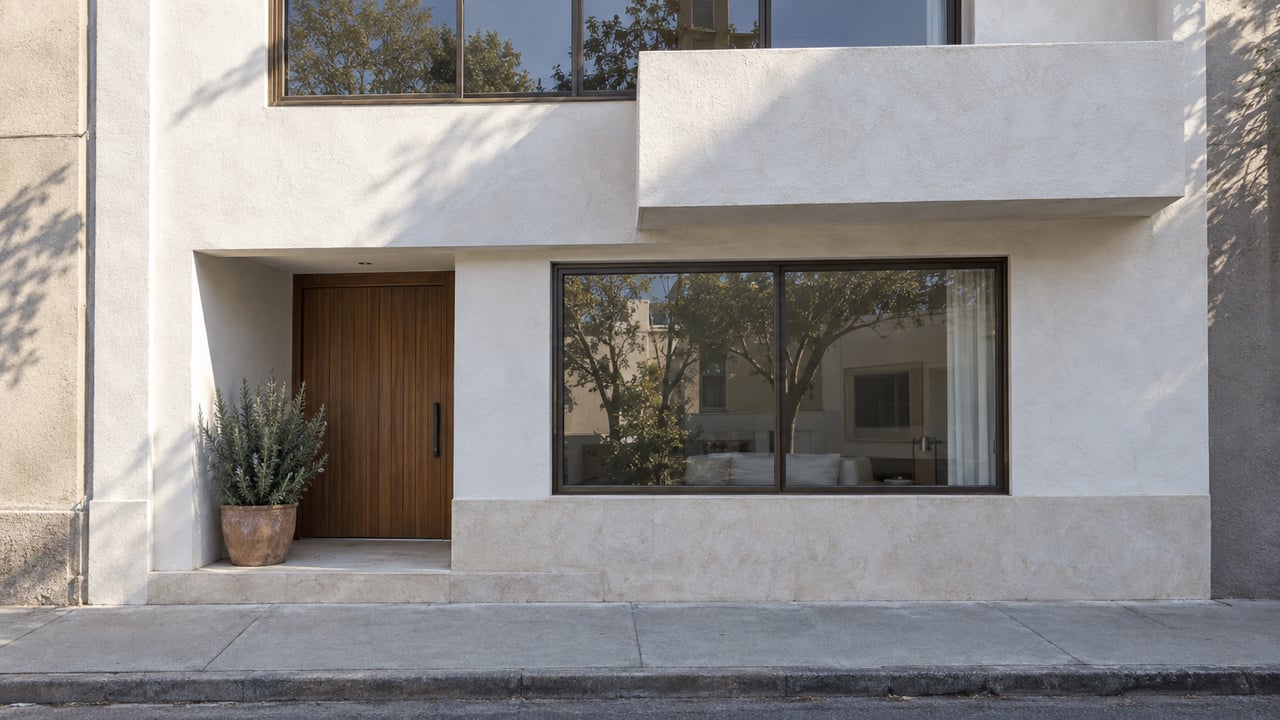
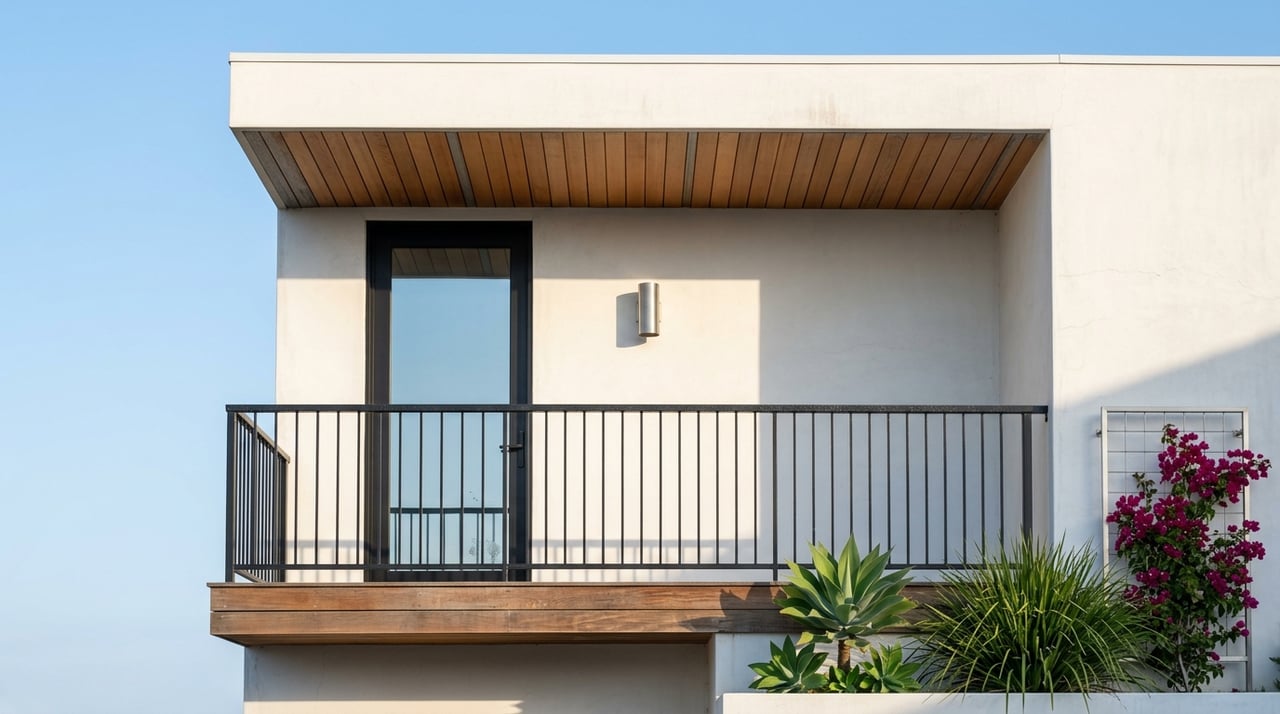
One of the biggest mistakes buyers can make is assuming Balboa Peninsula offers one standard housing type. It does not. The area includes smaller traditional cottages, compact units, detached oceanfront homes, and mixed-use waterfront properties in areas where residential uses may sit above nonresidential space.
That range matters because each property type can come with a very different ownership experience. A smaller cottage may reflect the peninsula’s older development pattern, while a newer or oceanfront home may raise different questions about maintenance, permits, and exposure to the elements.
If you are comparing options, focus on how the property will actually function for you. A home that looks ideal online may feel very different once you factor in parking, guest access, outdoor storage, privacy, and the amount of ongoing upkeep near the coast.
Coastal ownership means extra diligence
On Balboa Peninsula, location-specific diligence matters early. Newport Beach identifies the peninsula among its low-lying areas where sea-level rise should be considered in coastal development permit review.
The city also notes that even six inches of sea-level rise may negatively affect low-lying areas around Newport Bay that are not protected by bulkheads and seawalls. For buyers, that does not mean every property has the same level of risk. It does mean you should verify site-specific conditions instead of making assumptions based on a general address or a strong-looking remodel.
For new development on beaches or coastal bluffs subject to wave action, the city calls for specialized wave-uprush and wave-impact analysis as part of the permit process. If you are considering a property for a future remodel or rebuild, this is the kind of issue worth understanding before you close.
Check flood zone and insurance early
Flood-related questions should be part of your first round of due diligence, not a last-minute surprise. Newport Beach says FEMA flood maps are used to determine whether flood insurance is needed, and federal law requires flood insurance for federally backed loans in severe flood hazard zones.
The city also points buyers to elevation certificates and the FEMA map viewer as part of the floodplain management process. In practical terms, you want to understand early whether the property sits in a zone that affects insurance requirements, financing, or your long-term ownership costs.
This can be especially important when you are comparing two homes that seem similar on paper. A small difference in location, elevation, or site conditions can affect your carrying costs and your comfort level as an owner.
Permits can shape your plans
If you are buying on Balboa Peninsula, permit review is not just for major developers. It can affect everyday owners too, especially if you plan to improve, expand, or rework the property after closing.
The city states that the Coastal Act requires a coastal development permit for most development within the Coastal Zone, and Newport Beach can issue coastal development permits for most projects. That means buyers should confirm what has already been permitted, what may need city review in the future, and whether a property’s current improvements align with the records available.
For some oceanfront properties, owners may also need an Oceanfront Encroachment Permit for work in the public right-of-way. If the home includes a dock or pier, the city requires a permit transfer application signed by buyer and seller at close of escrow, with a typical turnaround of 5 to 15 working days.
Those details may sound technical, but they can directly affect timing and planning. If your goal is to enjoy the home right away and make updates later, it helps to know what is straightforward and what may require more time.
Parking and access are part of daily life
On the peninsula, parking is not just a convenience issue. It is part of how the property lives day to day.
Because the area includes narrow streets, beach traffic, public access points, and major attractions, buyers should pay close attention to garage setup, off-street parking, alley access, and how easy it will be for guests or service providers to come and go. The city notes there are 89 street ends spaced roughly every 200 to 500 feet in West Newport and Balboa Peninsula, which supports public coastal access across the area.
Seasonal conditions also matter. Most city parking areas require payment from 8 a.m. to 6 p.m. daily, while the Balboa Pier Lot requires payment 24 hours a day. During summer weekends and holidays, the Balboa Peninsula Trolley runs free, which is useful for getting around but also a reminder that summer circulation and visitor volume are part of the normal ownership experience.
Seasonal ownership feels different here
Owning on Balboa Peninsula is not always the same in July as it is in January. That may sound obvious, but it matters more here than in many inland neighborhoods.
The boardwalk runs about three miles, much of the shoreline is publicly accessible, and the area is built around year-round coastal activity. If you want a lock-and-leave second home, the peninsula can work well for that lifestyle, but you still need a plan for public beach activity, seasonal traffic, parking management, and home maintenance.
Even small city service details reflect that difference. Newport Beach notes a second weekly trash pickup for Balboa Peninsula homes during the summer period. It is a minor detail, but it highlights how this market operates on a different rhythm during peak season.
Know your rental plans before you buy
If you are considering a second home, one of the most important questions is whether the property is strictly for personal use or whether you hope to generate rental income. On Balboa Peninsula, that distinction matters a lot.
Newport Beach defines short-term lodging as 30 consecutive days or less. The city requires a permit and business license in certain residential zones, and it states that active short-term lodging permits are capped at 1,550, with no new permits being issued until the active count falls below that cap.
That means you should verify eligibility by address before assuming a property can support short-term rental use. You should also review any HOA rules or CC&Rs that may affect use. For many buyers, this is a make-or-break issue, so it is worth clarifying before you build your numbers around rental income.
What the current market suggests
Redfin currently describes the Balboa Peninsula market as somewhat competitive. Over the last three months, Redfin reports a median sale price of $4.05 million, a median sale price per square foot of $1.96K, average homes selling in about 53 days, and average sales about 3% below list price.
At the same time, Redfin notes that some homes receive multiple offers. Recent closed sales on the same page ranged from 21 days and 2% under list to 213 days and 11% under list, which shows how much outcomes can vary depending on the property and pricing.
For you as a buyer, the takeaway is balanced. Standout homes can still draw strong attention, especially when they are well-positioned and hard to replace. But properties with deferred maintenance, unusual layouts, or ambitious pricing may offer room for negotiation.
A smart buyer checklist
Before you buy on Balboa Peninsula, make sure you have clear answers to these questions:
- What type of property is this, and how does that affect maintenance and use?
- What are the parking arrangements for owners and guests?
- Is the property in a flood zone, and how could that affect insurance or financing?
- Are there existing permits, nonconforming features, or improvement limits to review?
- If there is a dock or pier, has the permit transfer process been addressed?
- If you plan future work, will a coastal development permit or encroachment permit likely apply?
- If rental income matters to you, is the address eligible under current city rules?
- How will the home function during peak summer traffic and beach activity?
A coastal purchase usually goes best when you treat the due diligence as part of the investment, not as paperwork to rush through. On Balboa Peninsula, that extra preparation can help you avoid surprises and buy with more confidence.
If you are weighing options on the peninsula, a local process matters. The right guidance can help you compare homes beyond the listing photos, ask better questions early, and line up the property with how you actually plan to use it. If you want a clear, detail-forward approach to buying in Newport Beach, schedule a confidential buying or selling consultation with Mason | Taylor Associates.
FAQs
What should buyers check first before buying on Balboa Peninsula?
- Start with property type, parking, flood zone status, permit history, and intended use. Those factors can affect ownership costs, future plans, and how the home functions day to day.
How competitive is the Balboa Peninsula real estate market?
- Redfin currently classifies the market as somewhat competitive, with some homes receiving multiple offers. Recent sales also show that pricing and property condition can create negotiation opportunities.
Do Balboa Peninsula homes require flood insurance?
- Newport Beach says FEMA flood maps are used to determine whether flood insurance is needed, and federally backed loans require flood insurance in severe flood hazard zones. Buyers should verify the specific property early in the process.
Can buyers use a Balboa Peninsula property as a short-term rental?
- Not automatically. Newport Beach requires a permit and business license for short-term lodging in certain residential zones, and the city says no new permits are being issued while the active permit count remains at the current cap.
Do oceanfront properties on Balboa Peninsula have special permit requirements?
- They can. The city says most development in the Coastal Zone requires a coastal development permit, and some oceanfront work in the public right-of-way may require an Oceanfront Encroachment Permit.
What should buyers know about docks and piers on Balboa Peninsula?
- If a property includes a dock or pier, Newport Beach requires a permit transfer application signed by the buyer and seller at close of escrow. The city lists a typical turnaround time of 5 to 15 working days.
Is Balboa Peninsula a good fit for a second home lifestyle?
- It can be, especially if you want easy access to the beach and harbor. Buyers should still plan for public beach activity, seasonal traffic, parking logistics, and the maintenance realities of coastal ownership.